Are your Sidewalks up to Snuff? Managing Sidewalk Liability
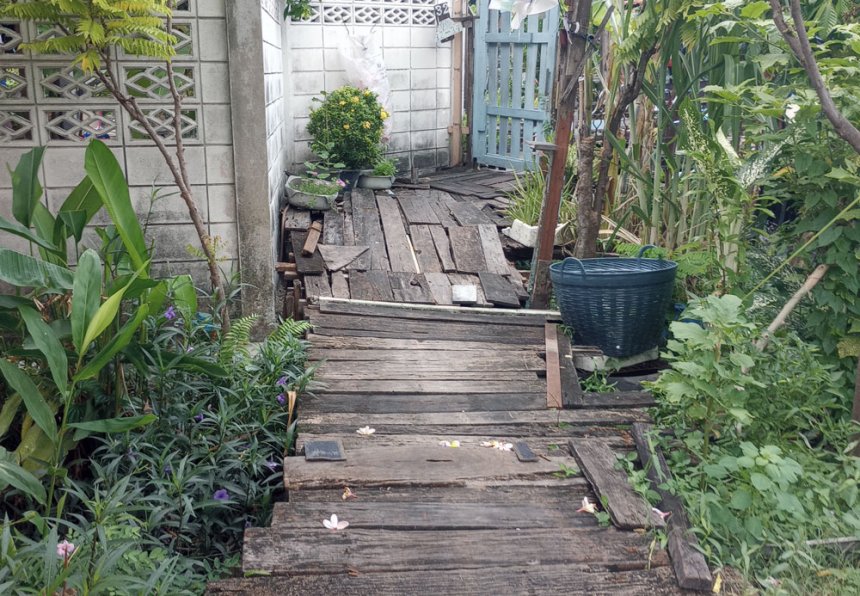
Sidewalks are one of the most visible and heavily used pieces of public infrastructure in any community. Residents walk dogs, children ride bicycles, shoppers travel between businesses, and pedestrians rely on sidewalks for safe access to schools, parks, and downtown areas. When sidewalks fall into disrepair, however, they can quickly become more than just an eyesore. Uneven pavement, trip hazards, ice accumulation, and poor maintenance can expose municipalities and property owners to costly liability claims.

Managing sidewalk liability is rarely as simple as determining who owns the concrete. In many communities, responsibility for sidewalks is split between municipalities, adjacent property owners, counties, state transportation agencies, homeowners’ associations, utility companies, and even commercial tenants. The exact responsibilities often depend on local ordinances, state laws, maintenance agreements, and the specific circumstances surrounding a defect or accident.
A municipality may own the sidewalk infrastructure itself while requiring adjacent property owners to clear snow and ice. In another community, property owners may be responsible for both maintenance and replacement. Some municipalities assume responsibility for sidewalks in residential areas but shift obligations to businesses in commercial districts. Sidewalks adjacent to county or state roads can add another layer of complexity, especially when ownership of the roadway does not clearly transfer sidewalk maintenance responsibilities.
Because of these overlapping obligations, municipalities should avoid assuming that liability is automatically assigned to one party. Courts frequently examine whether a municipality had notice of a dangerous condition, whether it had sufficient time to address the issue, and whether maintenance policies were consistently enforced. Even when another party is technically responsible for maintenance, municipalities can still find themselves named in lawsuits after pedestrian injuries.
One of the most effective ways to reduce sidewalk liability is through routine inspections. Sidewalk systems should be evaluated on a scheduled basis rather than relying solely on resident complaints. Cracked slabs, vertical displacement, deteriorated curb ramps, missing sections, drainage problems, and vegetation encroachment should all be documented. Municipalities that maintain inspection records can often demonstrate that they are actively monitoring infrastructure conditions and addressing hazards in a reasonable manner.
Technology has made sidewalk management considerably easier in recent years. Many municipalities now use GIS-based asset management systems and mobile inspection applications to document sidewalk conditions, photograph hazards, assign repairs, and track maintenance history. These records can become extremely valuable if a claim is later filed. Detailed documentation showing when a sidewalk was inspected, when a defect was reported, and what corrective action was taken can help demonstrate due diligence.
Snow and ice management is another major source of sidewalk-related claims. Winter storms create significant risks for both municipalities and property owners. Local ordinances should clearly define who is responsible for snow removal, how quickly sidewalks must be cleared, and what enforcement mechanisms are available when sidewalks remain unsafe. Ambiguous policies often create confusion and inconsistent enforcement, both of which can weaken a municipality’s legal position.
Municipalities should also carefully evaluate how sidewalk complaints are received and handled. A resident may report a hazard through a phone call, email, online form, or social media post. If those complaints are not centralized and documented, critical information can be lost. A municipality that cannot demonstrate how complaints were handled may struggle to defend itself in litigation involving prior notice of a defect.
Accessibility requirements add another important dimension to sidewalk management. Sidewalks and curb ramps must comply with applicable accessibility standards, including requirements under the Americans with Disabilities Act (ADA). Missing curb ramps, excessive cross slopes, broken surfaces, or inaccessible pedestrian routes can create both safety concerns and legal exposure. Communities that proactively evaluate ADA compliance during sidewalk projects are often in a much stronger position than those reacting only after complaints or lawsuits arise.
Funding is another common challenge. Sidewalk replacement programs can become expensive, particularly in older communities with aging infrastructure. Some municipalities establish cost-sharing programs where adjacent property owners contribute to sidewalk replacement costs. Others fund repairs through capital improvement budgets, special assessment districts, grant programs, or dedicated sidewalk funds. Regardless of the funding method, deferred maintenance tends to increase long-term costs and risks.
Communication with residents is equally important. Property owners are more likely to comply with maintenance requirements when expectations are clearly explained. Educational materials, seasonal reminders about snow removal obligations, and transparent sidewalk repair policies can help reduce disputes and improve compliance. Municipalities should also ensure that enforcement practices are consistent and fairly applied throughout the community.
Sidewalk liability will never disappear entirely, but proactive management can significantly reduce exposure. Regular inspections, clear ordinances, strong documentation practices, responsive maintenance programs, and effective communication all play an important role in protecting both pedestrians and municipalities. A cracked sidewalk slab or uncleared patch of ice may seem minor at first glance, but when injuries occur, the legal and financial consequences can become substantial.
Communities that treat sidewalks as critical infrastructure rather than an afterthought are often better positioned to maintain public safety, reduce claims, and build pedestrian-friendly environments that residents can confidently use year-round.