The Invisible Workforce: How Artificial Intelligence Quietly Powers Modern Public Works
Artificial intelligence already plays a critical role in keeping roads moving, pedestrians safe, and public works operations efficient, even though most residents never realize how much of their daily routine depends on intelligent systems working quietly in the background.


For many people, artificial intelligence feels like something new, intrusive, or even frivolous, associated mostly with chatbots, deepfake videos, or strange images on social media. In reality, AI has been quietly embedded in public works and transportation systems for years, operating in ways most residents never notice but benefit from daily. From the moment a driver approaches a traffic signal to the way snowplows are dispatched during a storm, intelligent systems are working behind the scenes to improve safety, efficiency, and decision making in towns and cities of every size.
Traffic signals are one of the most visible examples of AI at work, even though the intelligence itself is largely invisible. Traditional inductive loop detectors buried in pavement are increasingly being replaced by camera based vehicle detection systems that use machine vision to identify cars, trucks, bicycles, and pedestrians in real time. Vendors such as Miovision and Iteris provide detection platforms that do far more than simply tell a light when to turn green. These systems analyze approach speeds, queue lengths, and turning movements to dynamically adjust signal timing, reducing congestion and lowering the risk of rear end crashes. To a driver, it simply feels like a smoother trip through town. To a traffic engineer, it is a continuous stream of data driven decisions happening hundreds of times per hour.
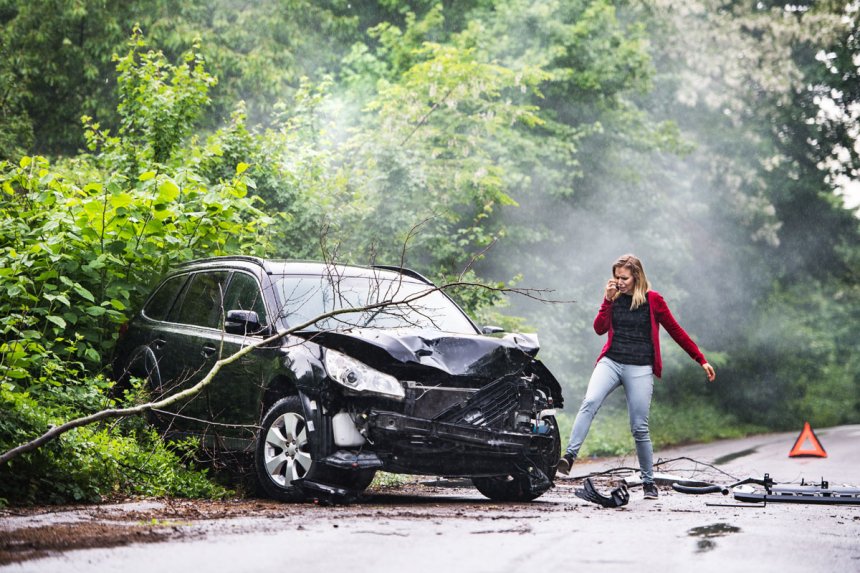
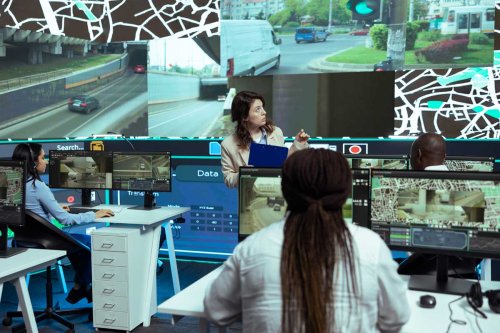
On larger arterials and highways, AI driven incident detection has become a critical safety tool. Computer vision systems monitor live camera feeds to recognize stopped vehicles, wrong way drivers, or sudden speed drops that indicate a crash. Instead of waiting for a 911 call, traffic management centers can dispatch responders within seconds. Companies like INRIX and TomTom aggregate real time speed and probe data from millions of vehicles to detect anomalies that signal trouble ahead. For motorists, this intelligence shows up as timely message board warnings or navigation reroutes, often preventing secondary crashes that historically cause more injuries than the original incident.
Winter maintenance is another area where AI has quietly transformed public works operations. Snowplow routing software now uses predictive modeling to optimize plow paths based on storm intensity, pavement temperature, traffic volumes, and historical performance. Rather than relying solely on operator experience or static routes, systems continuously learn which sequences clear roads faster and with less fuel. Vendors like ClearRoad integrate weather forecasts, sensor data, and GPS equipped fleet information to help supervisors make better decisions during rapidly changing conditions. Residents may only notice that their road gets plowed sooner than it used to, but behind the scenes, algorithms are balancing safety, cost, and crew fatigue.
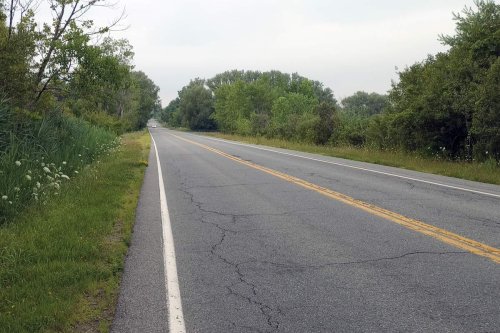
Pavement management is another field where artificial intelligence excels because it thrives on patterns humans struggle to see at scale. Modern pavement condition surveys use vehicles equipped with lasers, cameras, and inertial profilers to collect massive volumes of data about surface distress. AI models analyze cracking, rutting, and roughness to predict future deterioration and recommend the most cost effective treatments. Companies such as StreetScan and Vialytics help municipalities move away from reactive paving decisions and toward long range, defensible capital planning. To taxpayers, this means fewer surprise failures and better use of limited paving budgets, even if they never see the data that made those decisions possible.
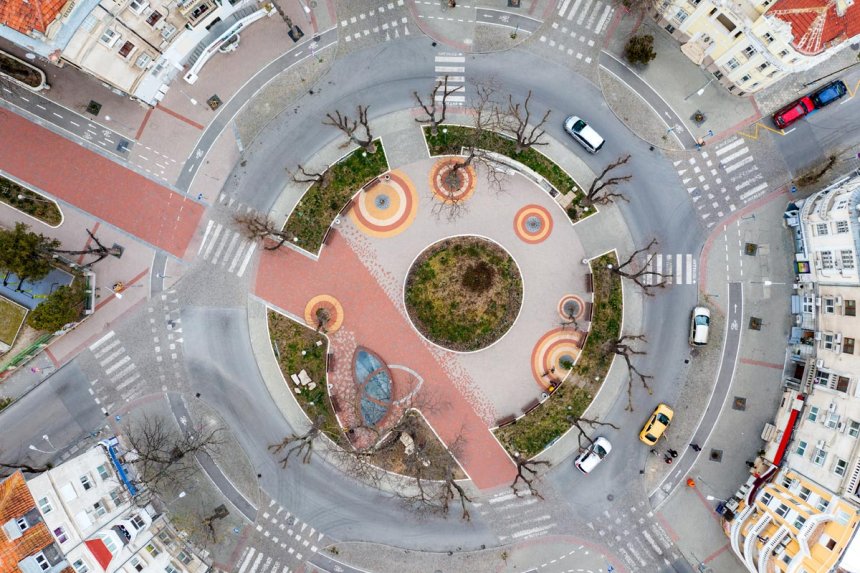
Pedestrian and cyclist safety has also benefited significantly from machine vision and predictive analytics. Smart crosswalk systems can detect when a pedestrian is present and extend walk times automatically, a feature especially valuable for seniors or people with disabilities. AI powered cameras can identify near misses, not just reported crashes, allowing engineers to redesign dangerous intersections before someone is seriously injured. Vendors like Obvio and Numina focus specifically on multimodal safety, helping communities understand how people actually move through space rather than relying on outdated assumptions.
Even routine maintenance tasks increasingly rely on artificial intelligence. Automated sign inventory systems use computer vision to identify missing, damaged, or non compliant traffic signs from vehicle mounted cameras. Predictive maintenance models analyze fleet telematics to flag equipment likely to fail before it breaks down during a storm or emergency. In drainage systems, AI assisted inspection tools review video from pipe cameras to identify structural defects that would be difficult or time consuming for humans to classify consistently. Each of these applications reduces risk, saves staff time, and improves record keeping, all without attracting much public attention.
Perhaps the most important thing for elected officials and residents to understand is that none of this AI feels like science fiction. It does not replace public works professionals or remove human judgment from the equation. Instead, it augments experience by processing more information than any individual could reasonably manage. The result is quieter intersections, safer roads, quicker emergency response, and infrastructure that lasts longer. People often say they want AI banned because they dislike a visible or trivial application, but they rarely realize how deeply artificial intelligence is already woven into the systems that make daily life function smoothly.
Public works has always been about using the best available tools to protect the public and steward limited resources responsibly. Artificial intelligence is simply the next evolution of that mission, operating mostly out of sight but delivering real, measurable benefits every day. For municipalities willing to embrace it thoughtfully, AI is less about the future and more about recognizing how the present already works.