Enterprise Funds and User Fees: Calculating the True Cost of Water and Sewer Service
This article explains how municipalities can calculate the true cost of water and sewer service by accounting for operating expenses, debt service, capital reinvestment, and reserves within an enterprise fund structure. It emphasizes full cost pricing, balanced rate design, and transparent communication to ensure long term financial sustainability and infrastructure reliability.

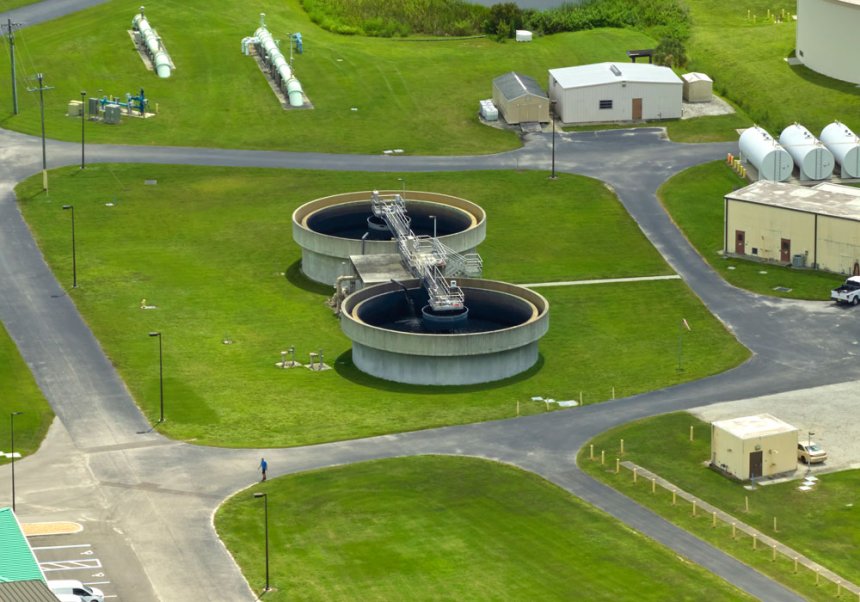
For many small towns and villages, water and sewer operations are some of the most expensive and misunderstood services they provide. Rates are often adjusted reactively, usually after equipment fails or reserves run thin. A well managed enterprise fund, built on full cost pricing and supported by a thoughtful rate study, prevents financial surprises and protects critical infrastructure.
Enterprise funds are designed to operate like self supporting businesses within government. Water and sewer users pay for the service they receive, and those revenues cover operating costs, capital improvements, debt service, and reserves. Unlike the general fund, enterprise funds should not rely on property taxes to stay afloat. When rates are set below the true cost of service, the shortfall eventually appears in the form of deferred maintenance, emergency borrowing, or system failure.
The foundation of sound rate setting is understanding the true cost of service. That calculation goes well beyond chemicals and electricity at the treatment plant. It includes every expense necessary to deliver safe, reliable service today and into the future.
Operating costs are the starting point. These include personnel salaries and benefits, utilities, treatment chemicals, lab testing, routine maintenance, fuel, equipment repairs, billing services, insurance, and regulatory compliance costs. Small systems sometimes overlook administrative overhead, such as a share of clerk, treasurer, or IT expenses. Those indirect costs are real and should be allocated proportionally to the enterprise fund.
Next comes debt service. If the municipality has issued bonds or borrowed funds for plant upgrades, pump stations, or major line replacements, principal and interest payments must be included in the annual revenue requirement. Ignoring debt service in rate calculations creates structural deficits.
Capital reinvestment is where many communities fall short. Infrastructure has a predictable lifecycle. Pumps wear out. SCADA systems become obsolete. Water mains break more frequently with age. A rate structure that only covers today’s bills, but not tomorrow’s replacements, guarantees financial stress later. Each year, the enterprise fund should contribute to a capital reserve based on anticipated long term replacement costs.
A simple way to think about the formula is this:
Total Annual Revenue Requirement equals operating expenses plus debt service plus capital reserve contributions plus an appropriate contingency.
Once the total annual revenue requirement is known, the next step is cost allocation. Most utilities divide costs into two broad categories: fixed and variable. Fixed costs do not change much with usage. They include debt service, billing, administration, and much of system maintenance. Variable costs fluctuate with water consumption, such as treatment chemicals and electricity.
A balanced rate structure typically includes a base charge and a volumetric charge. The base charge helps recover fixed costs and ensures financial stability even during wet summers or conservation periods. The volumetric charge reflects actual usage and promotes fairness and conservation. If too much revenue depends on usage, the system becomes financially unstable when consumption drops.
Conducting a formal rate study, whether internally or with a consultant, brings structure and transparency to the process. A proper study will evaluate historical financial performance, project future expenses, assess capital improvement needs, analyze customer classes, and model different rate scenarios. It also tests affordability impacts before rates are adopted.
Small communities often hesitate to raise rates for political reasons. However, gradual, predictable adjustments are far easier to manage than sharp increases triggered by crisis. A multiyear rate plan that increases fees modestly and consistently builds trust and avoids sticker shock.
Another important consideration is fund balance policy. Enterprise funds should maintain an operating reserve, often expressed as a target number of months of expenses. This protects against unexpected main breaks, regulatory changes, or delayed grant reimbursements. Without a reserve policy, emergencies become budget emergencies.
Transparency matters. Rate increases should be accompanied by clear explanations that link fees to service reliability, regulatory compliance, and infrastructure replacement. Showing residents the age of the system, projected replacement timelines, and the financial consequences of inaction reframes the conversation from taxation to stewardship.
For communities considering user fee adjustments, a few practical steps can move the process forward. First, assemble three to five years of audited financial statements for the enterprise fund. Second, inventory major assets and estimate remaining useful life. Third, identify upcoming capital projects and financing needs. Finally, calculate the full annual revenue requirement and compare it to current revenue. The gap, if any, defines the adjustment needed.
Enterprise funds succeed when they are treated as long term infrastructure businesses, not short term political tools. Full cost pricing ensures that today’s users pay for the service they receive, protects future taxpayers from inheriting deferred liabilities, and keeps essential water and sewer systems safe and sustainable.
For small towns and villages, getting rates right is not about maximizing revenue. It is about maintaining control, preserving infrastructure, and ensuring that clean water and reliable wastewater treatment remain dependable public services for decades to come.